
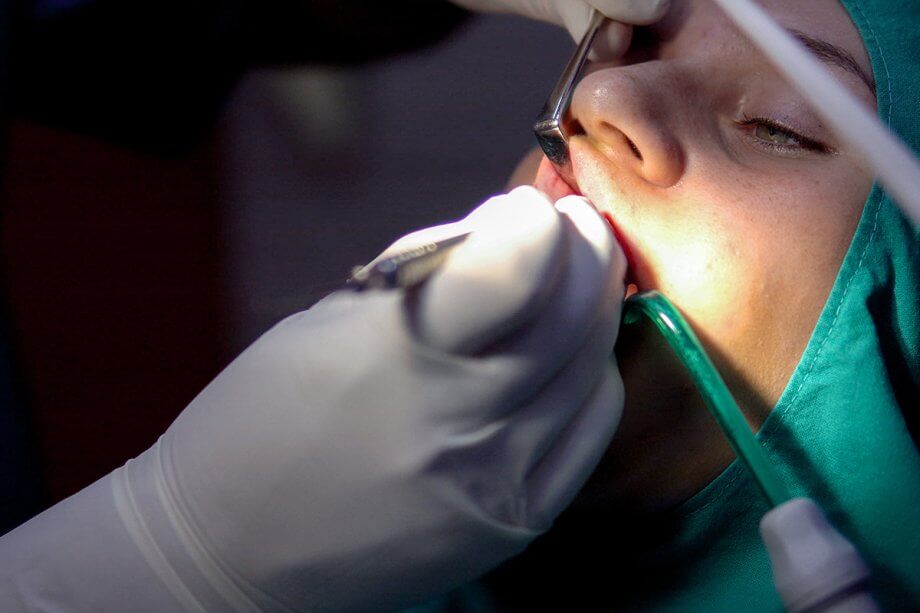
An apicoectomy is often the best solution when a root canal alone is not enough to save a tooth. While root canal therapy is highly successful, some teeth need additional care to remove lingering infection and restore full health. That is where endodontic surgery comes in. This type of treatment allows specialists at Contemporary Endodontics of Oklahoma to target hard-to-reach areas, preserve natural teeth, and relieve symptoms that impact daily comfort.
Many patients feel unsure about what an apicoectomy involves or when it becomes necessary. Understanding how this endodontic surgery works can help you feel confident about your care plan and the long–term stability of your smile.
What Is an Apicoectomy?
An apicoectomy is a microsurgical procedure that treats infection at the tip of a tooth’s root. When bacteria remain in the root area after a root canal or when the canal anatomy is too complex for traditional treatment, this approach allows an endodontist to reach the source of the problem directly. By removing infected tissue and sealing the root from the end, the tooth can heal properly.
During this procedure, the endodontist gently lifts the gum tissue near the affected tooth to access the underlying bone. The root tip and any inflamed tissue are removed with precision instruments. Once the area is clean and healthy, the end of the root is sealed with a biocompatible material to prevent future infection.
Why Endodontic Surgery May Be Recommended
Most teeth respond well to nonsurgical treatment, but there are situations where traditional solutions are not enough. Endodontic surgery is recommended when persistent infection, unusual root structure, or previous trauma makes it difficult to fully treat the canal system.
An apicoectomy offers a way to save a tooth that might otherwise need extraction. Keeping your natural tooth helps maintain your bite, prevent shifting, and avoid more complex restorative procedures later. For many patients, this procedure also brings relief from pain and sensitivity that other treatments could not resolve.
What to Expect During the Procedure
Your comfort is a priority throughout the entire process. Apicoectomies are typically performed using local anesthesia, ensuring the area is completely numb. Many patients report that the procedure feels similar in comfort level to other dental surgeries, thanks to modern techniques and the use of advanced equipment.
The surgery usually takes about 1 hour depending on the tooth and the complexity of the root structure. After the root tip is removed and the canal end is sealed, the gum tissue is repositioned and sutured. Recovery is often straightforward. Mild swelling or tenderness is normal for the first few days and can be managed with recommended home care instructions. Most patients return to normal routines within 24 to 48 hours.
Benefits of Endodontic Surgery
Endodontic surgery provides several key advantages. It allows direct treatment of hidden or complex areas of the root that do not respond to standard root canal therapy. By removing infected tissue and sealing the root tip, the procedure helps restore long–term stability and reduces the risk of recurrent infection.
Another significant benefit is tooth preservation. Keeping your natural teeth supports healthy chewing, speech, and oral balance. When compared with extraction and replacement options, an apicoectomy is often more conservative and cost-effective. Many patients experience a comfortable and predictable healing process with results that last for many years.
How This Endodontic Surgery Supports Long-Term Dental Health
Treating a persistent infection at its source helps protect the surrounding bone and gum tissue from further damage. By maintaining your natural tooth, you also maintain the alignment of your bite and prevent additional stress on neighboring teeth. Over time, this preserves oral function and reduces the likelihood of future dental complications.
Endodontic surgeons use specialized equipment, magnification, and imaging to track healing and ensure the treated area stabilizes. Follow-up visits allow your provider to confirm progress and address any questions you may have during recovery.
Protecting Your Smile With Trusted Surgical Care
An apicoectomy is a dependable and effective solution for patients who need more advanced care after a root canal. This endodontic surgery removes infection, protects your natural tooth, and supports long-term health and comfort. If you have been told you may need an apicoectomy, seeking care from a trusted endodontic specialist can help you move forward with confidence.
Frequently Asked Questions About Endodontic Surgery
How do I know if I need an apicoectomy?
Your endodontist may recommend an apicoectomy if a tooth continues to show signs of infection after a root canal or if the root structure is too complex for nonsurgical treatment. Imaging and evaluation help determine whether surgery is the best option to save the tooth.
Is recovery from an apicoectomy painful?
Most patients experience only mild swelling or tenderness for the first few days. With proper care and recommended medications, discomfort is usually minimal and temporary. Many people feel comfortable enough to resume normal activities within 1 to 2 days.
At Contemporary Endodontics of Oklahoma, we focus on advanced techniques that help our patients preserve their natural teeth and protect long-term oral health. Our team is dedicated to providing comfortable, precise care for every individual. To schedule a visit or learn more about how we can help, contact us today.