Cracked Tooth Syndrome is a common but often misunderstood dental condition that can cause ongoing discomfort, sensitivity, and pain when biting or chewing. Because cracks in teeth are not always visible and symptoms can come and go, many patients delay treatment without realizing the long term risks to their oral health. Understanding what causes cracked teeth and how they are treated can help you seek care before the damage becomes severe.
At Contemporary Endodontics of Oklahoma, we frequently evaluate and treat cracked teeth using advanced diagnostic tools and specialized endodontic techniques. Early diagnosis is key to preserving your natural tooth and preventing complications such as infection or tooth loss.
What Is Cracked Tooth Syndrome?
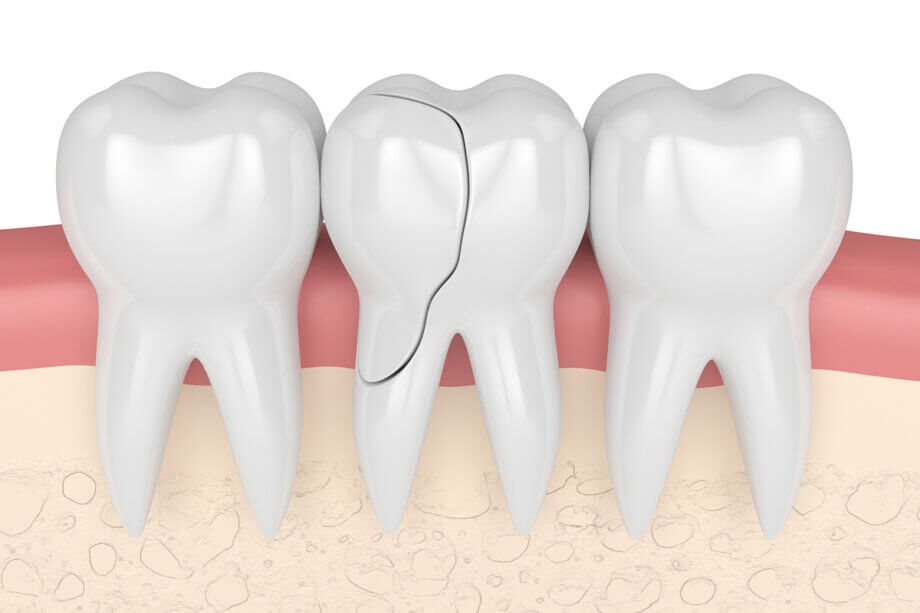
Cracked Tooth Syndrome occurs when a tooth develops a fracture that extends from the chewing surface toward the root. These cracks are often microscopic and may not show up clearly on standard dental X rays, which makes diagnosis more challenging. Unlike a fully broken tooth, a cracked tooth may remain intact while still causing pain and sensitivity.
Patients with Cracked Tooth Syndrome often experience sharp pain when biting down, especially when releasing pressure. Sensitivity to hot or cold foods is also common, and the discomfort may be inconsistent, making it difficult to pinpoint the source. Over time, the crack can deepen and spread, allowing bacteria to enter the tooth and irritate the pulp.
Common Causes of Cracked Teeth
Cracked teeth can develop for several reasons, and many patients are surprised to learn how everyday habits contribute to the problem. One of the most common causes is chewing on hard foods such as ice, popcorn kernels, or hard candy. Teeth that already have large fillings or restorations are more vulnerable to cracking under pressure.
Teeth grinding or clenching, also known as bruxism, places excessive force on the teeth and significantly increases the risk of fractures. Trauma to the mouth from sports injuries, accidents, or falls can also lead to cracks that may not cause immediate symptoms. In some cases, sudden temperature changes, such as eating hot food followed by a cold drink, can cause teeth to expand and contract enough to create micro fractures.
Why Cracked Tooth Syndrome Can Be Hard to Diagnose
One of the challenges with Cracked Tooth Syndrome is that symptoms often mimic other dental issues. Pain may feel similar to a cavity, sinus pressure, or temporomandibular joint discomfort. Because the crack can be extremely small, it may not be visible during a routine dental exam.
Endodontic specialists use a combination of patient history, clinical testing, and advanced imaging to identify cracked teeth. Bite tests, specialized dyes, and high resolution imaging help locate the fracture and determine how far it extends. Accurate diagnosis is essential for choosing the most effective cracked teeth treatment and avoiding unnecessary procedures.
How Cracks Affect the Inner Tooth
When a crack reaches the inner pulp of the tooth, it can allow bacteria to enter and cause inflammation or infection. The pulp contains nerves and blood vessels, which explains why cracked teeth can be so painful. Left untreated, the infection can spread to the surrounding bone and tissues, leading to abscess formation and potential tooth loss.
Not all cracks affect the pulp right away, but even small fractures can worsen over time. Prompt evaluation allows your endodontist to determine whether the pulp is healthy or needs treatment to save the tooth.
Cracked Teeth Treatment Options
The appropriate cracked teeth treatment depends on the location, depth, and severity of the crack. In cases where the crack is limited to the enamel or dentin and has not reached the pulp, a crown may be recommended to protect the tooth and prevent further damage. Crowns hold the tooth together and restore strength and function.
If the crack extends into the pulp, root canal therapy is often the best option. During this procedure, the infected or inflamed pulp is removed, the inside of the tooth is cleaned and sealed, and a crown is placed to stabilize the tooth. Root canal treatment allows patients to keep their natural tooth while eliminating pain and infection.
For more severe fractures that extend below the gum line or split the tooth, extraction may be necessary. Your endodontist will carefully evaluate whether the tooth can be saved and discuss all available options before proceeding.
The Role of Endodontic Specialists in Treating Cracked Teeth
Endodontists specialize in diagnosing and treating conditions that affect the inner tooth structure. Their advanced training allows them to manage complex cases involving cracks, fractures, and pulp damage. At Contemporary Endodontics of Oklahoma, specialized tools such as dental microscopes and three dimensional imaging improve accuracy and outcomes.
Seeing an endodontist early can make a significant difference in whether a cracked tooth can be saved. Specialized care increases the likelihood of successful treatment and long term tooth preservation.
What Happens If a Cracked Tooth Is Left Untreated?
Ignoring symptoms of Cracked Tooth Syndrome can lead to worsening pain and more extensive damage. As the crack spreads, bacteria have more opportunities to infect the pulp and surrounding tissues. This can result in swelling, abscesses, and the need for more invasive treatment.
Delaying care may also reduce the chance of saving the tooth. Early cracked teeth treatment is often less complex and more cost effective than addressing advanced damage. Prompt evaluation protects both your oral health and overall well being.
Preventing Cracked Teeth
While not all cracked teeth can be prevented, there are steps you can take to reduce your risk. Avoid chewing on hard objects and use caution with foods that place excessive pressure on your teeth. Wearing a custom night guard can protect your teeth if you grind or clench while sleeping.
Maintaining regular dental visits helps identify early signs of wear or damage before cracks develop. Addressing issues such as large fillings or bite imbalances can also lower the risk of fractures over time.
Protecting Your Smile from Cracked Tooth Syndrome
Cracked Tooth Syndrome is a serious dental condition that requires timely and accurate care. Recognizing the symptoms and understanding your treatment options can help prevent pain, infection, and tooth loss. With early diagnosis and expert treatment, many cracked teeth can be preserved for years to come.
If you are experiencing unexplained tooth pain or sensitivity, an evaluation by an endodontic specialist can provide clarity and relief. Seeking care sooner rather than later gives you the best chance for a healthy, comfortable smile.
Frequently Asked Questions About Cracked Teeth Treatment
Can a cracked tooth heal on its own?
No, cracks in teeth do not heal naturally. While symptoms may temporarily subside, the crack will remain and often worsen without professional treatment.
Is root canal therapy always needed for cracked teeth?
Not always. Root canal treatment is only necessary if the crack has affected the tooth pulp. Some cracks can be managed with a crown alone if caught early.
At Contemporary Endodontics of Oklahoma, we focus on preserving natural teeth through advanced endodontic care and precise diagnosis. Our experienced team is committed to relieving pain, treating infection, and helping patients maintain long term oral health. If you are experiencing symptoms of a cracked tooth, we encourage you to contact us and schedule an evaluation.